WORLD WILDERNESS DAY
OCTOBER 23
WORLD WILDERNESS DAY: PROTECTING THE PLACES THAT REMAIN TRULY WILD
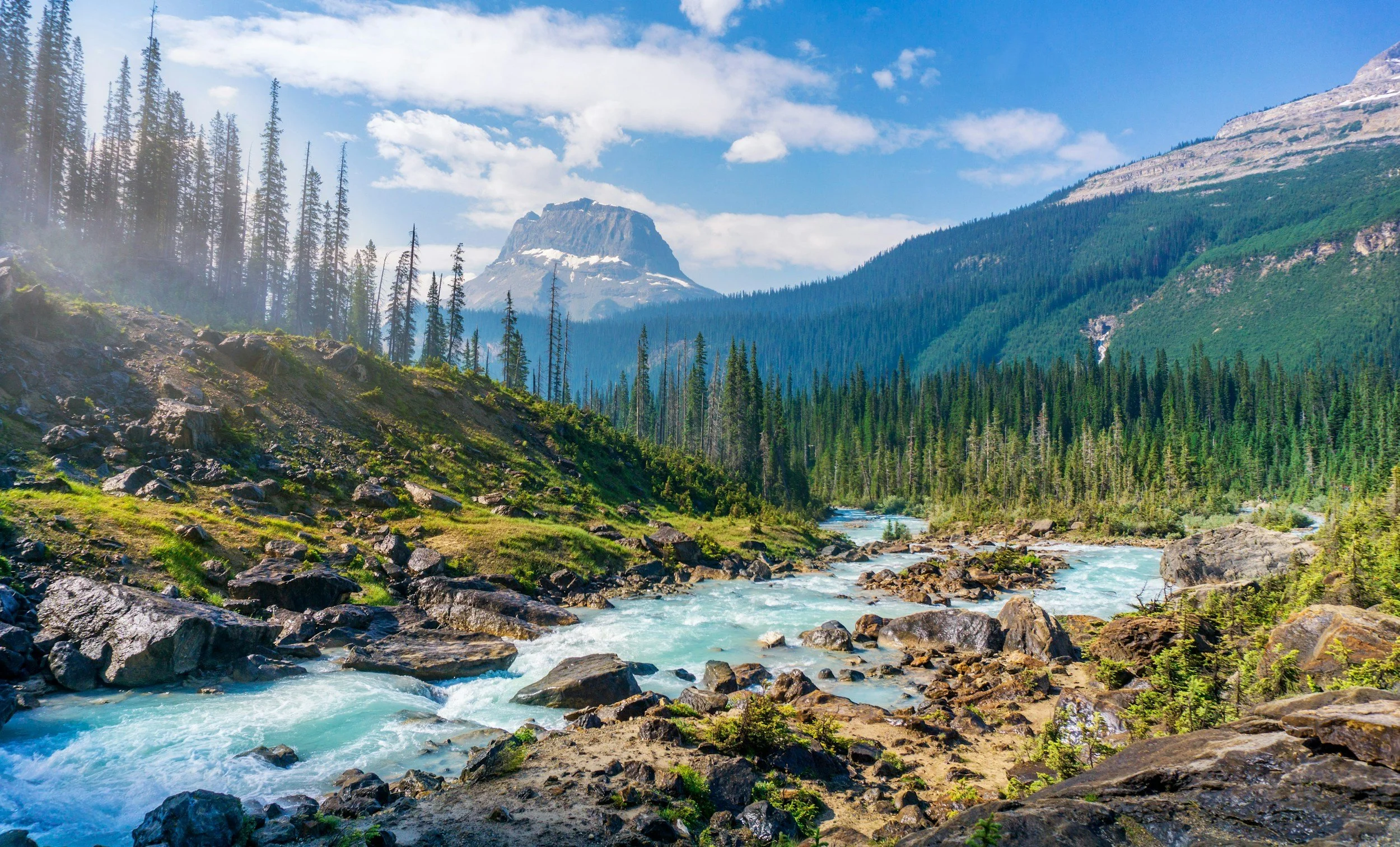
Wilderness areas are some of the few places on Earth where natural systems function with little human interference. They hold ancient forests, vast deserts, intact grasslands, and remote mountain landscapes that support incredible biodiversity. World Wilderness Day highlights the importance of these remaining wild places and the role they play in stabilizing climates, supporting species, and grounding cultural identity.
This day reminds us that wilderness is a living system that stores carbon, protects watersheds, and offers refuge for wildlife. Wilderness areas also provide space for scientific research, cultural traditions, and personal connection to nature. Protecting them ensures that future generations can experience landscapes shaped by natural processes rather than human development.
WHAT ARE PROTECTED WILDERNESS AREAS LIKE?
A protected wilderness is guided by nature’s own rhythms. Rivers flow freely, species interact without major disturbance, and ecosystems evolve across generations. These landscapes often serve as strongholds for biodiversity because they allow plants and animals to live according to natural cycles. Healthy wilderness areas also support surrounding communities by providing clean water, moderating weather patterns, and preserving ecological balance.
In daily life, wilderness protection offers quieter but meaningful benefits. It helps secure pollinator populations, supports culturally significant species, and reduces the risk of habitat loss. It also provides opportunities for recreation, learning, and reflection.
GLOBAL AND LOCAL EFFORTS PROTECTING WILDERNESS AREAS
The Wilderness Foundation Global promotes conservation, education, and leadership programs focused on intact ecosystems. Conservation International supports global efforts to conserve wild forests, grasslands, oceans, and freshwater systems through research and community partnerships.
In Canada, Indigenous guardians programs support land and water stewardship rooted in cultural knowledge and long term ecological care. In Patagonia, community organizations and national parks collaborate to protect vast stretches of steppe, forest, and coastline through restoration, rewilding, and habitat management.
3 ACTIONS YOU CAN TAKE TO PROTECT WILDERNESS
Support organizations dedicated to wilderness conservation — Groups such as the Wilderness Foundation Global, Conservation International, and local land trusts protect wilderness landscapes
Learn about wilderness areas in your region — Understanding which lands are protected, which are threatened, and which are under consideration for new protections helps guide meaningful advocacy and policy
Advocate for conservation policies that keep ecosystems intact — Contact local representatives, attend public meetings, and vote for initiatives that protect public lands
www.worldwildernessday.com
HOW CAN I GET INVOLVED?
Volunteer: Join us in our efforts to promote environmental awareness and sustainability in your community. Whether you have a few hours or a few days to spare, your help is invaluable!
Partner with Us: If you're part of a nonprofit, business, or government organization, consider partnering with the Environmental Alliance for collaborative projects or events. Together, we can make a bigger impact!
Stay Informed: Sign up for our newsletter to receive the latest news, events, and ways to participate in our initiatives.
Attend Events: Participate in our upcoming events and awareness days. Check our calendar for dates and details.
Spread the Word: Share our mission with your network. Follow us on social media and help us raise awareness about environmental issues.